
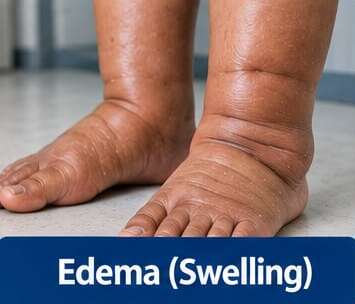
What is Edema?
Edema is the medical term used to describe swelling that occurs when excess fluid accumulates in the tissues of the body. This condition can affect various parts of the body, including the legs, ankles, feet, hands, and face. Edema can result from a variety of factors, such as prolonged sitting or standing, certain medical conditions, injuries, or the consumption of high-sodium foods, which can cause the body to retain more fluid. It may also occur as a side effect of medications. While edema can be temporary and harmless in some cases, it can sometimes indicate an underlying health issue that may require medical attention. Commonly, edema is referred to as fluid retention or dropsy.
How is Edema Diagnosed?
Diagnosing edema involves a comprehensive process that includes a thorough physical examination to assess the extent and characteristics of the swelling. The healthcare provider will also conduct a detailed review of the patient’s medical history, taking into account any previous health issues, medications, or lifestyle factors that could contribute to fluid retention. Additionally, targeted diagnostic tests such as blood tests, urine tests, imaging studies like ultrasounds or X-rays, and sometimes heart function assessments may be employed to accurately determine the underlying cause of the fluid buildup. This multi-faceted approach ensures a precise diagnosis and helps guide effective treatment options.
How is Edema Treated?
Edema treatment is aimed at reducing fluid accumulation, managing associated symptoms, and addressing underlying medical conditions responsible for the swelling. While mild cases may resolve with lifestyle modifications, persistent or severe edema typically necessitates medical intervention.
Home Remedies and Lifestyle Modifications
- Elevation: It is advisable to elevate the affected arms or legs above the level of the heart several times throughout the day and during sleep.
- Compression Garments: The utilization of prescribed support stockings or sleeves is recommended to maintain appropriate pressure on the limbs and prevent further fluid accumulation.
- Movement and Exercise: Regular exercises targeting the leg muscles are beneficial in promoting the return of fluid toward the heart. One should avoid remaining seated or standing for extended periods.
- Low-Sodium Diet: A reduction in sodium intake is pertinent, as excessive salt consumption can lead to fluid retention.
- Skin Care: It is essential to keep the swollen skin clean, moisturized, and protected from potential infections or irritations.
Medical Treatments
- Diuretics: Healthcare providers may prescribe medications such as furosemide (Lasix) to facilitate the kidneys in expelling surplus fluid through urine.
- Management of Underlying Conditions: A comprehensive approach to long-term management includes addressing the root causes of edema, which may involve modifying medications, treating underlying conditions such as heart, liver, or kidney diseases, and managing hormone imbalances, such as those associated with hypothyroidism.
- Specialized Therapies: For conditions such as lymphedema or chronic swelling, physical or occupational therapy may be warranted. This can include techniques such as manual lymphatic drainage massage and specialized compression bandaging.